


I Am Glad Gluten Free Foods Are NOT Fortified
Why I am glad that most gluten free foods are NOT fortified.
Seems like a crazy statement, I know. I used to think it would be great if they would fortify the gluten free foods and cereals like so many gluten foods are fortified. However, as I have recently been doing research into the MTHFR gene defect/mutation and the problems and issues with it, I have changed my mind about fortified foods!
Also, some companies are fortifying their gf foods, so make sure you are reading labels.
I am not a doctor. I am sharing what I have learned in the quest to help myself and my family have better health. Please do your own research and talk to your doctor.
What is fortification?
We see fortified on a lot of processed foods, especially cereals. However, there is also fortification to milk and juice. So, what exactly does it mean when a food is fortified?
It means that a nutrient is added to a food when the ingredients in that food never included that nutrient to begin with. For example, milk and juice don’t naturally have vitamin D, but vitamin D is added to most milk and juice products. This addition did help a serious health issue, in children, that seems to be rare, now, rickets.
Rickets is the softening and weakening of bones; which leads to skeletal deformities and breaks, from a lack of vitamin D. The soft and weakened bones can be caused by other medical issues, but lack of vitamin D has been a major cause.
How is fortification different from enriched?
Fortification is done to a food when that nutrient was never a part of it naturally. Enriched foods are foods that have lost some of its nutrients from being processed and so those nutrients are added back in. Keep in mind that the nutrients added back in are almost always in their synthetic form.
Salt has added iodine. It has naturally occurring iodine and has more added for daily recommended iodine levels.
Our bodies tend to absorb and use ingredients that are natural, better than their synthetic counter-parts. Other than this, what could be wrong with fortified and enriched foods? It seems like a wonderful benefit to us and we don’t have to take as many vitamin pills. Right?!
Well, to understand the problem we first need to look at the MTHFR gene defect/mutation.
What is MTHFR?
Everyone agrees that the acronym MTHFR looks like it stands for a really bad phrase! Some people do refer to it by that crude phrase because of the havoc it can cause within a persons body.
“MTHFR mutation—changes to a gene linked to an increasing number of medical conditions, including thyroid disease—has become a controversial topic among scientists. While the National Institutes of Health lists five conditions directly linked to the genetic mutation, a growing body of evidence has linked it, either directly or indirectly, to a host of disorders affecting the heart, eyes, brain, thyroid gland, and other organ systems. The MTHFR mutation is also believed to predispose a person to certain cancers, birth defects, and autoimmune diseases.”
There are 2 MTHFR genes: C677T and A1298C. You can have one copy of one of the genes, one copy of both genes or 2 copies of one or both of these genes. With a gene test you can sort out with your doctor what you have and what is best to do about it.
What does it mean if you have this mutation?
It means that your body can’t properly use folic acid and convert it to the usable form of folate. Deliciously Organic said it best:
“For example, many people have the MTHFR mutation today. When someone with the MTHFR mutation consumes folic acid (the synthetic form of folate) the body can’t process it. The synthetic folic acid builds up in the system and the excess ends up stored as a toxin in organs and fat tissue.”
These stored up toxins can wreak havoc on a persons body! Your baby is still at risk for neural tube defects when your body is unable to properly use the folic acid that you are putting into it.
Here are some other possible problems (not a complete list):
- Recurrent miscarriage
- Tongue tie
- Neurological problems
- Anxiety
- Growth problems
- Thyroid problems
- Anemia
- Breast cancer
- Prostate cancer
- Childhood respiratory problems
Folic Acid verses Folate
Folic acid is widely recommended for pregnant women, especially before pregnancy and early on in their pregnancies. Folic acid was added to foods in the U.S. by FDA mandate in 1996. The purpose was to cut down on neural tube defects in babies. The incidences of these neural defects did drop and the program is considered a success.
However, folic acid is not for everyone! Folic acid is the synthetic version of the naturally occurring vitamin B, folate, that you find in vegetables, fruit, fruit juice, nuts, beans and beef liver. If you can’t convert the folic acid you are at risk for problems associated with low vitamin B levels as well as issues from the unusable folic acid.
So, in short, folic acid is synthetic vitamin B and folate is the natural form of vitamin B.
Why can fortification bad?
There are a lot of benefits to fortified and enriched foods. However, if nutrients that are being added and even mandated by the government, that your body cannot properly use and can cause harmful effects, it is a problem!
It is easy for adults to get too much of your daily vitamins and minerals, if you are eating a lot of processed foods and taking your vitamins. Yet, there can still be gaps in your nutrition and missing other essential vitamins and minerals. Adults are often low on magnesium, dietary fiber, calcium and vitamins A, D, E, and C.
Vitamins are also, often fortified with folic acid. Also, keep in mind that you can’t absorb calcium if you don’t have enough vitamin D.
What to do if you have MTHFR genes?
The following is a very short list, you can find more at this website, and please always discuss these issues and dietary changes and vitamins with your doctor!
- Avoid folic acid- stick with the natural folate
- Eat more fruits, vegetables, nuts and beans
- Talk to your doctor about methylated folate and how much you should be taking
- Eat less processed foods
- Check your multi-vitamin for folic acid and find one that doesn’t contain it (I have no recommendations at this time, I need to do this.)
More links to check out:
There is so much information, it is impossible to put it all in one post! There is a lot that has been written about MTHFR, it’s problems and what to do about it. Knowledge is power. Here are a few other links to articles and blogs that I have been reading.
http://mthfrliving.com/health-tips/mthfr-avoid-folic-acid-in-food/



 and a buttercream frosting. She put food coloring spots throughout two of the layers and mini chocolate chips in the third layer. I think she could have done more chocolate chips! It was delicious!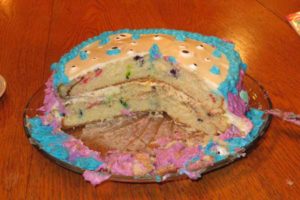




 Benefits to Cooking at Home
 You don’t have to worry about whether or not the people handling your food, understand how to properly handle your food! Gloves must be changed! Fresh ingredients that haven’t had a chance for gluten to be introduced should be used. Do NOT make my food on the same counter you just had gluten. You can’t brush off gluten crumbs and then touch gluten free foods.
 We have tried to make dinner more of a family time. It was more challenging when we were eating out frequently. Grabbing a meal in the car and running from place to place. Sure you are together, but it isn’t always as meaningful as when you are sitting face to face and talking.
 It is expensive to eat out. Often more expensive if you are gluten free. Gluten free ingredients often cost more than other ingredients, especially if they are buying only a few buns or bread to keep in stock. Often, the more you buy, the more you save, especially in retail. If places don’t get a lot of gluten free customers, they don’t buy as much and don’t receive the same kick backs as places that buy in higher quantities. Therefore, it is more expensive for them to stock gluten free specialty items.
 My stance on cooking at home is that if I have to go to all that work, it better taste good! I love Pinterest! I love all of the ideas. I don’t count out the gluten recipes. If something looks good, I see how I can modify it. Does it just need a gf pasta or gf bread? What are my options for making it gluten free?
 Like I said, I am not opposed to eating out. I love to eat out and would rather eat out than have the mess at home.
 The Gluten Intolerance Group




 These ideas are a good starting point in how to fill your favorite girls stocking! Whether you do a 12 days of Christmas with stocking stuffers or use this post as a springboard to fill her stocking you are sure to please her.


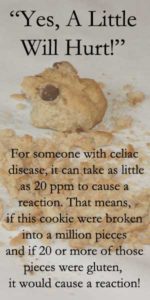 When you have celiac, gluten intolerance, a wheat allergy or some other medical issue that causes you to need to eat gluten free, there are no holidays from gluten free eating. There is no “just a little bit” because, “Yes! A little bit will hurt!!!”.
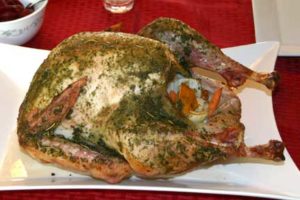 In the event that your host is unwilling to work with you or leaves you feeling like you don’t dare eat anything when you go, here is plan B. Alert your host that you will be bringing your own food, because you want to enjoy being with everyone, but really don’t want to get sick. Be sure to not make them feel guilty about you doing this. Emotions are already high during the holidays and you don’t need this to be a source of contention.
 Remember to be thankful this Thanksgiving.
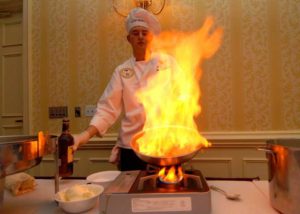 We have gone places where we know they offer gluten free, but the server or seater gives us a blank stare and doesn’t know what we are talking out. Especially, if you are uncomfortable with your server, make sure you talk to the manager and /or chef. Ask them what they would recommend for gluten free options.
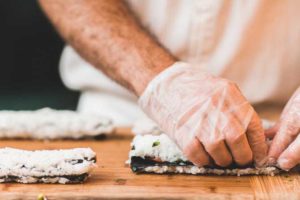 Even if you go somewhere frequently, it is good to remind them of things that should be done. Especially with fast food. They tend to be kids, working in those places and may have a tendency to get lax on things. Also, high turn over and sometimes the training for gluten free is on the job; figuring it out with the customers.
 I hope these tips help you in having a happy and safe dining experience. What other questions do you ask when eating out?

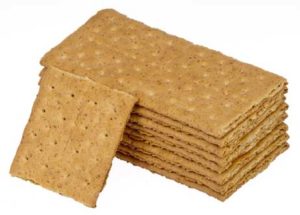 Graham is literally a whole wheat flour! The inventor of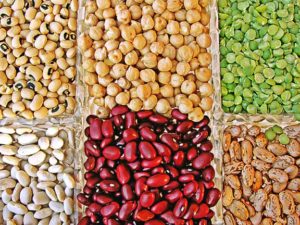
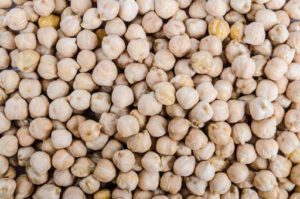 There are a lot of breads especially flat breads that can be made from gram/chickpea flour. Check out the links below for a few recipes and ideas.
 There is no way for any doctor, even those who are specialists to know everything about everything and expect them to always give you accurate information. That sentence contains a lot of absolutes!
 Yes, there is an expectation to trust that when going to a gluten free event, like an expo, that everything at that expo is going to be safe. Having put on events like an expo and participating as a vendor I know how strict the rules are. However, even with the strict rules, sometimes one vendor will slip through that shouldn’t be at the event.
 Your health is in your hands!

Recent Comments