


Psyllium Another Option In Gluten Free Baking
Recently, I have been hearing about Psyllium husk and Psyllium powder being used in gluten free baking. Evidently, it adds that elasticity and texture to baked items like xanthan gum and guar gum do.
You may have to experiment, to know, how much to add when substituting for one of the gums because it is not a straight across substitute, but you can find many recipes that are using Psyllium powder or husk. (https://www.gluten.org/hot-topics-december-2017/)
What is Psyllium
Psyllium husk is a form of fiber and comes from a plant, Plantago. It is a plant native to India and is grown in Asia and Africa. Psyllium is widely used in many parts of the world. When the powder/husk is mixed with water it becomes gel-like.
This form of fiber, typically in a powder form, has frequently been used to help with constipation and irritable colon. It is often used as a laxative. Psyllium is the main ingredient in most laxatives. So, when using, pay attention to whether this is a problem for you.
Hmmm, might not be a solution for everyone
My husband was recently diagnosed with Crohn’s disease. Considering the following warning: “People with irritable bowel syndrome and Crohn’s disease are all too familiar with the banes of the bathroom. The results of studies on psyllium’s effectiveness in treating these conditions are still mixed.” I won’t be using husks, but may try the powder form. Supposedly, since it is a small amount it shouldn’t have a big effect. While this quote is about treating conditions with Psyllium and not cooking/baking, I think the information is still important.

Pros
Adds texture to gluten free foods and may help food to rise
Laxative- only a small amount is used in baking and may contribute to a little more regularity. Also, softens stool.
May also help diarrhea (because it tends to soak up liquid)
Possible prebiotic
May possibly reduce cholesterol
Does not contribute to overgrowth of bad bacteria in the gut
Cons
Laxative- mixed information on whether it is good for certain conditions, like Crohn’s
Absorbs liquid in the body- could be hard on some medical conditions.
May cause bloating or diarrhea
Does not ferment in the gut, which means it doesn’t help your gut flora.
May be harmful in large doses
Never take the powder or husks straight. The absorption of liquids can lead to a choking hazard.
If you are going Paleo it is not considered Paleo.
How does psyllium stack up to other gums?
Psyllium
Soluble fiber
High in fiber
Comes from a plant
Thickener
Gives great texture to foods
Soaks up liquids
Laxative
Guar Gum
Soluble fiber
High in fiber
Comes from a plant
Thickener
Gives texture to foods and helps them hold together
Laxative
May cause gas and bloating
Xanthan Gum
Soluble fiber
A compound made from fermented sugars and bacteria
Made in a lab
Thickener
Gives texture and stickiness to dough
Stabilizer/emulsifier- helps ingredients to blend and stay blended
1 Tablespoon has 7 grams of fiber
Laxative
May cause gas and bloating
Expensive
*May interact with Diabetes medication
**The article I found, had some info about xanthan gum that stated it sometimes is made from wheat, but I haven’t found that to be the case. Also, according to the FDA law on gluten free labeling if an ingredient is derived from a top 10 allergen, it must be included on the label for example: xanthan gum (wheat, corn,)
Risks of using psyllium
Do not ever take psyllium, in any form, dry! Psyllium soaks up liquid, like a sponge does, and because of this it can be a choking hazard. Taking it with liquid remedies this problem. May be harmful in large quantities. (Only a small amount is used in baking and so it shouldn’t be a problem.)
Conclusion:
From my research, it looks like psyllium husk and powder are very comparable to guar gum and xanthan gum. I will probably experiment with it in the near future. I am thinking the powder would be better for my husband’s condition since he is supposed to avoid things that can scrape the intestines. Husk doesn’t sound very gentle, but I could be wrong.
Resources:
https://www.healthline.com/health/psyllium-health-benefits#laxative
What is Psyllium Husk from Gluten Free Girl
https://paleoleap.com/all-about-psyllium-husk/
https://www.practicalgastro.com/pdf/February05/Feb05Dharmarajan.pdf
http://dietitianwithoutborders.com/powerful-psyllium-for-heart-health-and-gluten-free-baking/

 One of my pet peeves is when a company tells me their products are gluten free and then they turn out not to be! One of the biggest problems is with hydrolyzed gluten ingredients (usually wheat). In fact, it was hydrolyzed vegetable protein (from wheat) that caused my first horrible outbreak with DH! (Dermatitis Herpetiformis) It was in my shampoo, conditioner, body wash and hairspray, from a company that claimed their products were gluten free!
 After my DH experience, I called Herbal Essence from the grocery store to check on their ingredients. Because body products are not food, they don’t have the same labeling rules. They do not have to say the source of their ingredients (derived from wheat), unless they want to. In fact, they can call it anything they want!
 When I broke out in a DH rash I was scratching until I bled and still wanted to scratch more! I had chronic hives (urticarial) for 17-18 years and the DH rash was more miserable than the hives had been! It was next to impossible to not scratch! DH has blisters and they itch uncontrollably! I was even scratching in my sleep!!!







 Kissing Mugs

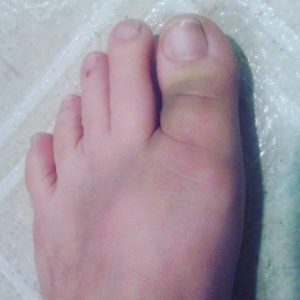 So, while I have had a lot of aches and injuries from falling, nothing is broken! This would not be the case if I had osteoporosis. I surely would have broken: my hip, knee, elbow, foot and toes (just to name a few). Why am I so convinced of this? Because of all the places that hurt from falling and the experience of a friend.


 Evidently, this was so important it was put in three times! Twice by me because I forgot I did it the first time and wanted to make sure it made it in!



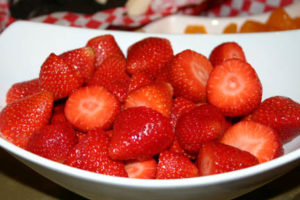
 Here’s some of what we dipped into the chocolate fondue.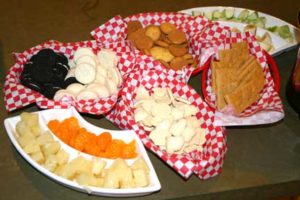








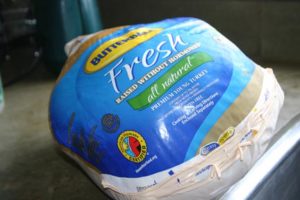




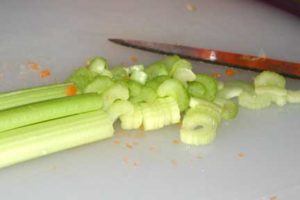
 Directions on how to make Turkey Noodle Soup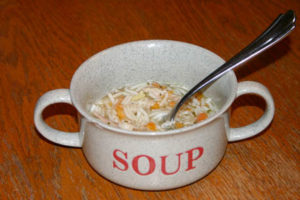






Recent Comments